




Water Damage Cleanup in Wichita Falls, Texas
A burst pipe, appliance leak, failed sump pump, roof leak, or storm can send water through floors, walls, ceilings, and finished basements. Our team removes standing water, finds moisture that is out of sight, and helps limit additional damage to your property.
We help homeowners, landlords, property managers, and commercial property owners in Wichita Falls. Our technicians work in homes, rental properties, condominiums, offices, retail spaces, warehouses, and other occupied buildings. In older homes in Floral Heights, Highland Addition, and Southland Addition, careful inspection matters because moisture may move behind walls, under floors, or into aging materials.
First, we inspect the source and the path the water took. If water is still entering, we explain the source-control step before drying continues. Moisture mapping with meters helps us check behind baseboards, under flooring, inside cabinets, and above ceilings. This inspection is important after a hidden plumbing failure or a leak that has traveled through a finished basement.
Need Restoration Help in Wichita Falls? Call (940) 940-8420
We start with an assessment instead of guessing from visible damage. Our team identifies the source, documents affected areas, explains the work, and uses controlled drying to support sound repair decisions. IICRC certified techs and a 24HR response help move the loss toward water removal, drying, cleaning, and repair planning.
How We Handle Water Damage
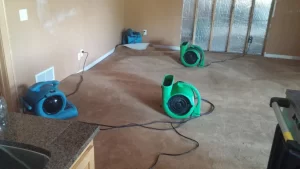
Next, we remove standing water with extraction equipment. Air movers and dehumidifiers support controlled structural drying. Our technicians monitor moisture readings and adjust equipment as the affected materials dry. Those readings guide decisions about carpet, pad, drywall, insulation, flooring, cabinets, subfloor, framing, and contents.
After affected areas dry, we clean them and review the repair work ahead. Some materials can be cleaned and saved, while others need removal because they no longer support a sound finish. We document the work and help organize the next steps for drywall, trim, paint, flooring, or cabinet repairs.
Commercial losses need careful coordination. A leak in an office, retail space, warehouse, or mixed-use building can affect equipment, inventory, loading areas, and several tenant spaces. We discuss access, equipment placement, occupant safety, documentation, and scheduling so unaffected areas remain usable while the damaged areas receive attention.
Weather Conditions That Affect Water Cleanup
Spring and summer storms can bring hail, strong winds, heavy rain, and sudden water entry. Fall storms create similar roof and drainage concerns. Winter freezes can burst exposed pipes or supply lines in vacant and lightly heated buildings. Late-summer heat may dry the surface of drywall, flooring, or cabinets while moisture remains inside walls and other building materials, so moisture readings remain important.
Water Damage Cleanup Pricing
The cost of water damage cleanup depends on the source, affected materials, amount of water, and drying work required. Our team assesses the property and explains the work before the restoration plan moves forward.
- Small water loss: $1,000–$3,000
- Moderate water loss: $3,500–$7,500
- Large water loss: $7,500–$15,000+
These prices are general reference points and are not a quote or estimate for a specific property. Actual restoration costs depend on the source and category of water, affected square footage, materials involved, length of exposure, equipment needs, demolition, cleaning, drying time, and repairs. A complete price estimate requires an onsite inspection because the final scope depends on the actual conditions at the property.
Frequently Asked Questions
What should I do first after water damage?
Stop the water source if it is safe to do so and contact our team for an assessment. Avoid using electrical equipment in standing water, and keep people away from unsafe areas until the property is checked.
What does water damage cleanup include?
Water damage cleanup includes assessment, water removal, moisture mapping, controlled drying, monitoring, cleaning, and repair planning. The work depends on the water source, how far moisture traveled, and which materials were affected.
How do you find hidden moisture?
We use moisture meters to check areas such as walls, floors, cabinets, ceilings, and baseboards. Thermal imaging may support the inspection when it helps locate temperature changes linked to trapped moisture.
Do you remove standing water?
Yes. Our technicians use extraction equipment to remove standing water before the structural drying process begins. Removing water early helps limit the spread into flooring, drywall, insulation, and other materials.
What equipment is used for structural drying?
Our team uses air movers, dehumidifiers, moisture meters, and extraction equipment. The crew places and adjusts the equipment based on moisture readings and the materials affected.
Can wet carpet, drywall, or flooring be saved?
Some materials can be cleaned and dried, while others need removal because they no longer support a sound finish. We assess each affected material and explain the repair path instead of making that decision from appearance alone.
Do you help with commercial water losses?
Yes. We work with commercial property owners, landlords, and property managers on access, equipment placement, occupant safety, contents, documentation, and scheduling. The plan also considers tenant spaces, inventory, equipment, and areas that still need to operate.
What happens after the property is dry?
After drying, we clean affected areas, document the work, and review repair needs. That plan may include drywall, trim, paint, flooring, cabinets, or other finish work.